Sales and Use Tax: A Compliance Challenge – Week #47 of The Financial Operating System®
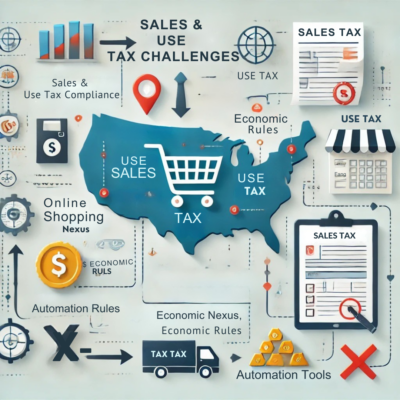
In the previous chapter, we explored the critical distinctions between tax reporting and financial management, emphasizing the importance of maintaining accurate financial records while managing tax obligations effectively. Extending on that foundation, this chapter delves into complexities of managing sales and use tax compliance, particularly for small and mid-sized businesses. It emphasizes the importance of understanding tax obligations, navigating the ever-changing regulatory landscape, and implementing processes to ensure compliance while minimizing risks.
Key Concepts
1. What Are Sales and Use Taxes?
- Sales Tax: Collected by businesses at the point of sale on taxable goods and services and remitted to the appropriate state or local government.
- Use Tax: Paid directly by the buyer on taxable goods and services when no sales tax was collected, such as for out-of-state transactions in which no sales tax was collected.
2. The Compliance Challenges
- Varying Rules:
- Sales and use tax rules vary widely by state, county, and even city, making compliance a moving target.
- Each jurisdiction may define taxable goods and services differently.
- Economic Nexus Laws:
- After the 2018 Supreme Court decision in South Dakota v. Wayfair, businesses are required to collect sales tax in states where they meet certain economic thresholds, even if they don’t have a physical presence.
- Frequent Rate Changes:
- Tax rates and rules change often, requiring businesses to stay updated to avoid under- or over-collecting.
- Exemptions and Exclusions:
- Some goods or services may be exempt or subject to special tax rates. Businesses must properly document and validate exemptions, such as resale certificates.
3. Risks of Non-Compliance
- Audits and Penalties:
- Failing to collect or remit the correct amount of tax can result in fines, interest charges, or even legal action.
- Reputation Damage:
- Non-compliance can harm customer trust and business credibility.
- Retroactive Liability:
- Businesses can be held responsible for unpaid taxes from previous years.
Recommendations for Sales and Use Tax Compliance
1. Understand Your Nexus:
- Determine where your business has physical or economic nexus and ensure compliance in those jurisdictions.
- Regularly review nexus thresholds to account for changes in business operations or sales volume.
2. Use Technology:
- Invest in tax automation software to calculate, collect, and remit taxes accurately if you operate in multiple states and tax jurisdictions.
3. Train Your Team:
- Educate staff about tax rules, exemptions, and documentation requirements.
- Ensure customer-facing employees know how to handle tax-exempt sales and validate certificates.
4. Maintain Proper Records:
- Keep detailed records of sales, exemptions, and tax remittances for at least 3-7 years to prepare for potential audits.
5. Consult Professionals:
- Work with tax advisors or consultants to navigate complex regulations, especially if operating in multiple states.
6. Monitor Regulatory Changes:
- Stay informed about new laws, rate changes, and compliance deadlines in all jurisdictions where you do business.
Example
A small e-commerce business sells products in multiple states. After crossing the sales threshold in a new state, they fail to collect the required sales tax. This results in a costly audit where they must pay back taxes, penalties, and interest. They cannot go back and collect additional tax money from customers and bear this cost themselves. By using automation software and regularly reviewing nexus rules, this situation could have been avoided.
Conclusion
Sales and use tax compliance is a significant challenge for businesses, but ignoring it can lead to financial and reputational risks. By leveraging technology, understanding tax obligations, and maintaining accurate records, businesses can manage compliance efficiently while focusing on growth.
Next Step:
Business owners can self-implement The Financial Operating System. Chapters are available to download at smartbooks.com/resources or you can buy the whole book from Amazon (the marketing firm version or the general business version).
If you would like assistance with implementation or would like to accelerate results for your business, please contact author Cal Wilder at cwilder@smartbooks.com or book a free consultation with our team directly using this calendar link.